

Whirlpool appliances are engineered for long-term reliability, but everyday wear can still lead to leaks, noises, weak performance, or unexpected breakdowns. Early troubleshooting, routine cleaning, and timely professional repair prevent small issues from escalating into costly failures and keep every Whirlpool model operating efficiently.
Why Whirlpool Appliance Repair Matters
Whirlpool appliance repair matters because catching small issues early protects performance, prevents breakdowns, and extends appliance lifespan. Whirlpool systems are known for durability, but even high-quality machines need periodic care. A refrigerator may develop rattles or temperature swings, a washer may slow its drain cycle, or a dishwasher may begin leaving residue behind. These signs are often early warnings that something small needs attention before it becomes a costly repair.
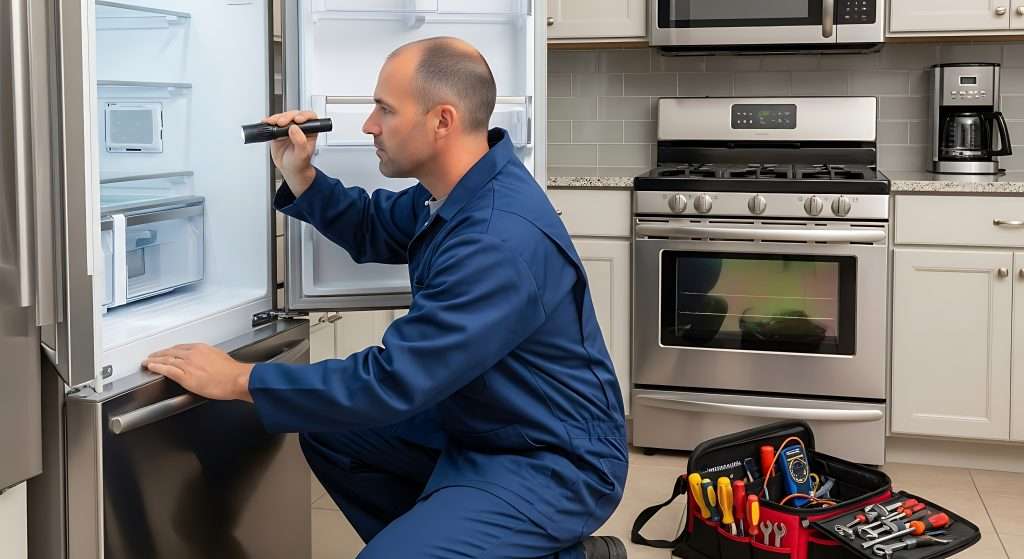
Basic Whirlpool troubleshooting helps homeowners address issues quickly—checking seals, cleaning filters, inspecting hoses, or clearing vents. When problems persist or involve electrical, heating, or sealed-system components, professional support is the safest option. Expert technicians, such as those from local appliance repair services, ensure accurate diagnostics and reliable repairs tailored to Whirlpool models.
This guide explores the most common Whirlpool appliance issues and how to fix them—covering refrigerators, dishwashers, washers, dryers, and ovens. You’ll also learn when DIY troubleshooting is sufficient and when it’s time to call a certified professional.
Common Whirlpool Refrigerator Problems
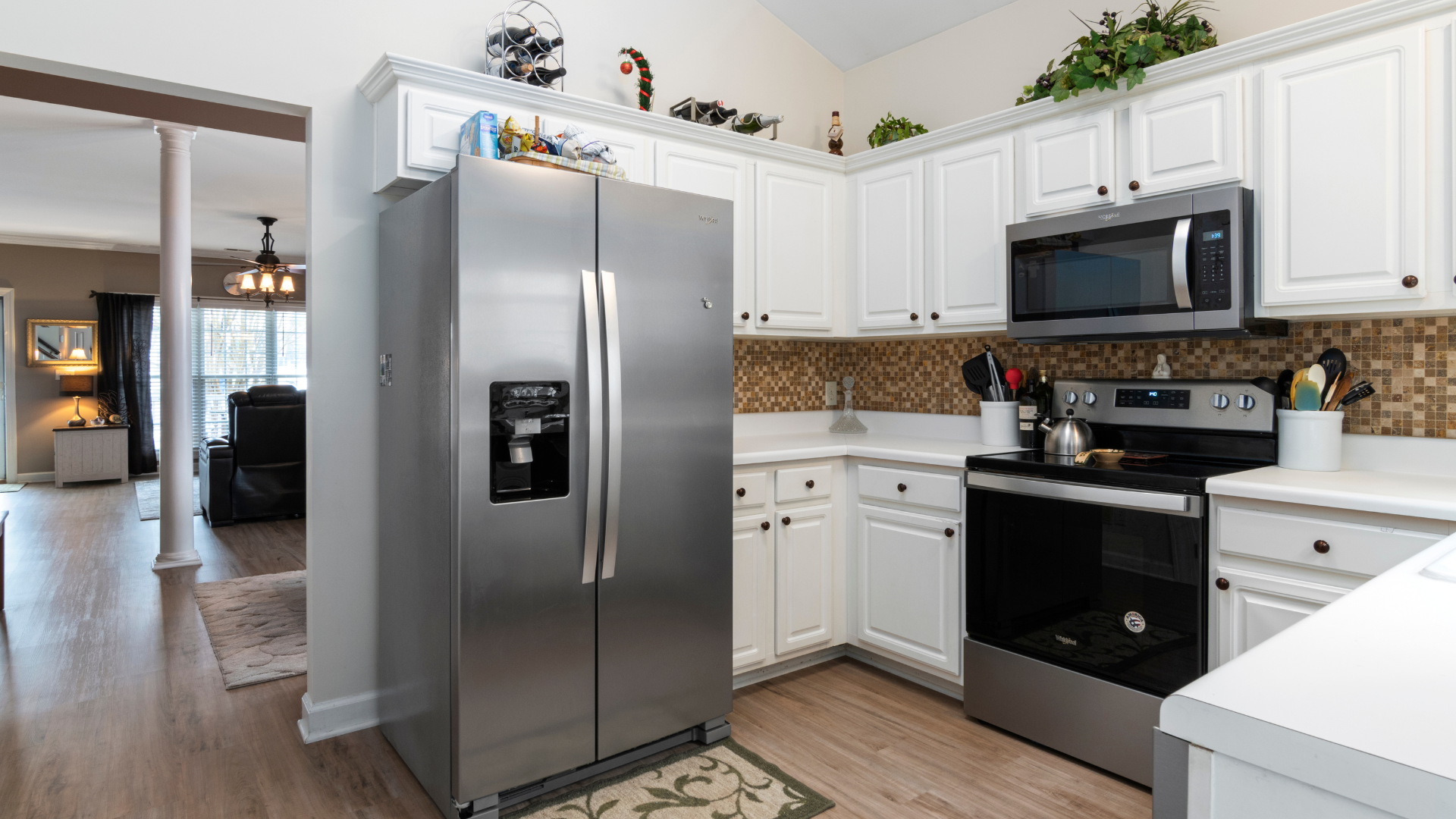
Whirlpool refrigerators often develop temperature inconsistencies, unusual noises, or water leaks due to restricted airflow, dirty condenser coils, or worn internal components. One of the first troubleshooting steps is confirming that temperature settings are correct and ensuring that food items do not block interior vents.
Noises such as rattling or buzzing frequently occur when condenser coils become dirty or when a fan motor begins to strain. Cleaning the coils helps improve efficiency and reduce stress on the compressor.
• Clean condenser coils to support cooling and reduce noise.
• Inspect door seals for cracks or gaps that release cold air.
• Look for ice buildup that may indicate a clogged defrost drain.
Leaks commonly occur when the defrost drain freezes or when a water line cracks. Clearing the drain or replacing the damaged line typically resolves the problem. If cooling or noise issues continue even after cleaning, professional refrigerator repair service ensures deeper mechanical or electrical issues are diagnosed accurately.
Whirlpool Dishwasher Issues and Fixes
Common Whirlpool dishwasher problems include water leaks, dirty dishes after a full cycle, and weak water spray. Most performance issues begin with clogged filters or spray arms. Removing and rinsing these components restores strong water circulation and improves cleaning results.
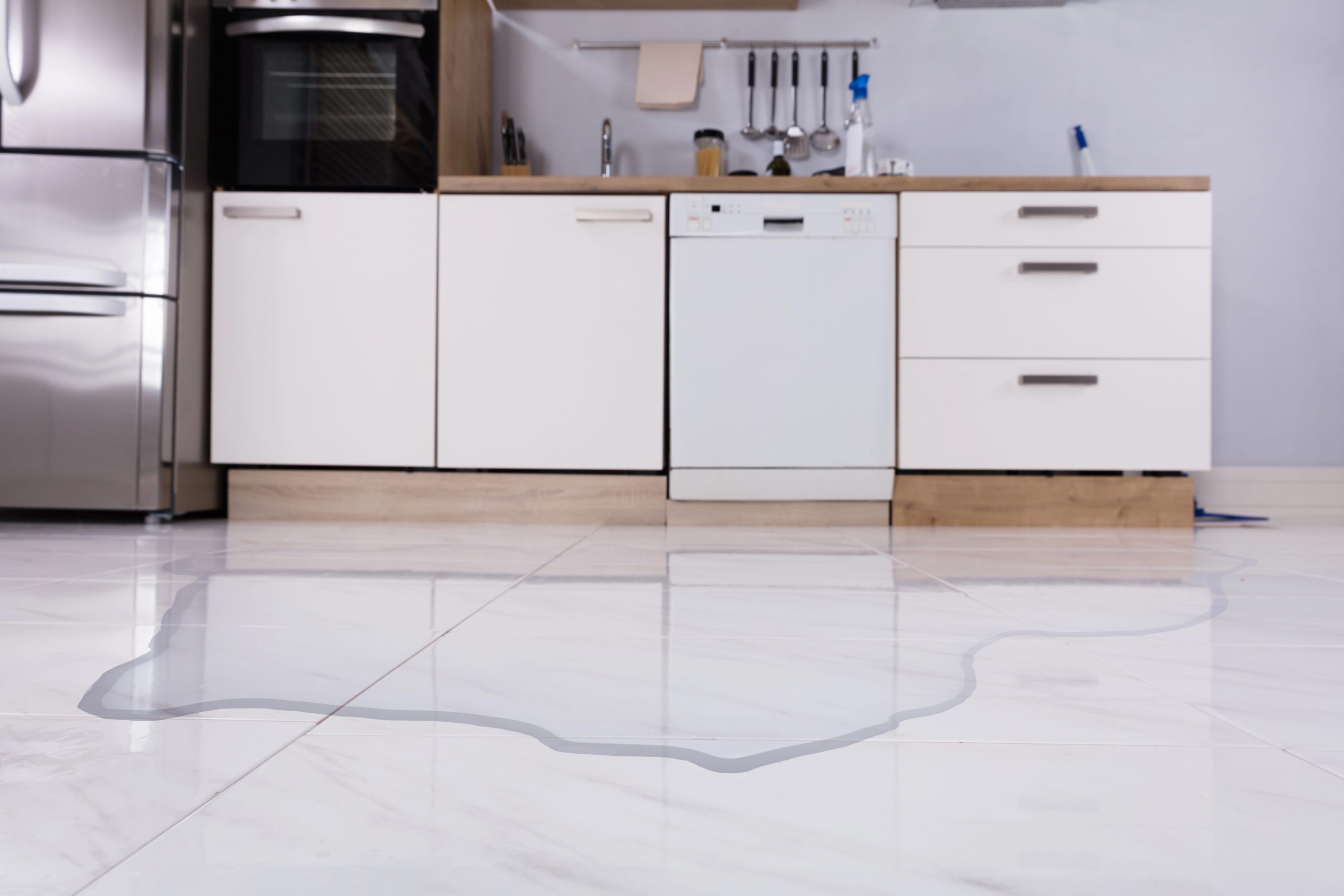
If water pools beneath the dishwasher, inspect the door gasket and verify that hoses and connections are secure. Avoid using excessive detergent, as oversudsing can cause foam-related leaks.
If draining issues continue or cleaning power remains weak after filter maintenance, professional dishwasher leak repair ensures internal valves, sensors, and pumps are functioning correctly.
Key Facts Every Homeowner Should Know About Whirlpool Appliance Repair
Whirlpool appliances are dependable, but maintaining them requires consistent care and early intervention. The insights below help prevent breakdowns and protect appliance lifespan.
- Dirty condenser coils strain the compressor and contribute to cooling failures. Routine cleaning helps prevent unexpected refrigerator repair.
- Noisy operation often signals loose parts or early motor wear. Addressing refrigerator noises promptly prevents deeper damage.
- Dishwasher leaks commonly result from cracked gaskets or loose fittings, making early leak repair essential.
- Washer shaking or slow draining usually stems from unbalanced loads or clogged drain hoses. Regular washer maintenance prevents these issues.
- Dryer heating problems often result from blocked vents or lint buildup. Clearing the vent path improves airflow and drying efficiency.
- Ovens with uneven heat often need calibration or sensor replacement to restore even cooking performance.
- Burning smells, electrical faults, or repeated failures require immediate professional repair to ensure home safety.
Whirlpool Washer Issues
Whirlpool washers frequently experience unbalanced loads, slow draining, repeated error codes, or startup failures. These issues often stem from simple causes such as uneven flooring, clogged drain hoses, or buildup inside the drain pump filter.
Resetting the washer can resolve minor glitches, but recurring error codes usually point to electrical or mechanical faults that require testing by a trained professional. For persistent issues, professional washer repair ensures accurate diagnostics and safe service.
Whirlpool Dryer Problems and Solutions
Whirlpool dryers may stop heating or spinning due to lint buildup, restricted airflow, worn belts, or failed heating elements. Cleaning the lint trap after every cycle and checking the vent hose monthly help maintain good airflow and reduce fire risk.
Thumping or squeaking sounds often indicate worn drum rollers or loose belts. If these issues continue after basic maintenance, a certified technician should inspect the heating system and electrical components. Professional dryer repair services ensure heating elements, thermostats, and fuses operate safely.
Whirlpool Oven and Range Repair Tips
Whirlpool ovens and ranges may experience issues with temperature accuracy, ignition, or uneven heating. Checking for calibration errors and ensuring burners are clean helps maintain efficient operation.
When ovens fail to heat consistently or ignition problems persist, deeper inspection is needed. Faulty sensors, wiring failures, or damaged heating elements require professional oven repair to ensure reliable and safe performance. Access to genuine Whirlpool parts, such as those obtained from authorized parts suppliers, helps preserve appliance longevity.
When to Contact a Whirlpool Service Technician
Professional Whirlpool service becomes essential when appliances show electrical smells, repeated failures, major leaks, or loss of cooling or heating. Certified technicians perform accurate diagnostics and address issues safely.
For urgent repairs, homeowners can request same-day appliance repair to restore essential systems quickly. Timely professional service prevents worsening damage and maintains reliable operation across all Whirlpool models.
Whirlpool Repair FAQs
Why is my Whirlpool refrigerator making loud noises?
How do I reset my Whirlpool washer or dryer?
What should I do if my Whirlpool dishwasher keeps leaking?
How often should Whirlpool appliances receive maintenance?
When should I call a Whirlpool technician?
Keep Whirlpool Appliances Operating at Their Best
Whirlpool appliances deliver strong performance when they receive consistent maintenance and timely repairs. Early troubleshooting and simple cleaning habits help prevent breakdowns, while professional support ensures safe, reliable long-term function. Whether dealing with cooling issues, leaks, or heating failures, staying proactive protects your investment and keeps your home running smoothly.
To schedule expert Whirlpool appliance repair or request a diagnostic visit, contact the team through Fix It Guy’s service contact page for fast, dependable support.