

When a refrigerator stops cooling, fast action protects your food and your appliance. Start by checking simple causes like power, settings, airflow, and dirty coils. If the fridge temperature climbs above safe levels or cooling doesn’t return within a short window, scheduling emergency refrigerator repair is the safest way to prevent food loss and avoid bigger (more expensive) component damage.
Opening your fridge and feeling warm air is an instant stress spike—especially when it’s full of groceries, meal prep, or kid snacks. A refrigerator not cooling problem can be minor (such as blocked vents) or serious (such as a failing compressor). Either way, time matters because the risks of foodborne illness and appliance damage increase as temperatures rise.
This guide walks you through what to do first, how long food typically stays safe, and how to decide whether you can troubleshoot safely or you should call for same-day repair. If you’re in Massachusetts and need urgent help, Fix It Guy offers refrigerator repair service in Needham, Boston, Waltham, Lexington, Burlington, and Andover.
What should you do first when your fridge stops cooling?
Keep the doors closed and confirm the power source immediately. Every time you open the door, cold air dumps out, and the interior temperature rises faster. While keeping the door shut, do a quick power check:
2) Listen for normal operation: A low hum is normal. Repeated clicking or loud buzzing can point to a failing part.
3) Confirm settings: Make sure the fridge wasn’t accidentally set warmer or switched into a “demo”/showroom mode (common after moves).
4) Check the door seal: A gap or torn gasket lets cold air escape and forces nonstop run time.
If power is stable and settings are correct, move on to airflow and coil checks below. If the fridge is completely dead (no lights, no fan sounds), skip DIY and book appliance repair—electrical issues can be unsafe without proper tools.
How long can food stay safe in a warm refrigerator?
Food safety becomes a concern once perishables rise above 40°F, and a closed fridge typically holds safe temperatures for about 4 hours during an outage. USDA/FSIS defines the “danger zone” for bacterial growth between 40°F and 140°F. FoodSafety.gov and the CDC both note that if doors stay closed, refrigerated food stays safe for up to about 4 hours
- Keep doors closed as much as possible to preserve cold air.
- If it’s been around 4 hours and the fridge is warming, move high-risk foods (meat, poultry, seafood, dairy, leftovers) into a cooler with ice.
- If you have one, use an appliance thermometer to confirm whether foods stayed at or below 40°F.
If you suspect your fridge has been above safe temperatures long enough that food is at risk, prioritize safety over saving groceries. When in doubt, discard questionable perishables—foodborne illness costs more than groceries.
Why is your refrigerator running but not cooling?
A fridge can “run” while still failing to cool if airflow is blocked, heat can’t escape, or a critical cooling component isn’t functioning. These are the most common causes homeowners run into:
• Blocked vents: Overpacked shelves block cold-air circulation between freezer and fridge sections.
• Evaporator or condenser fan issues: Fans move air and remove heat; failure can mean warm compartments.
• Thermostat or sensor problems: The unit may not start a cooling cycle at the right time.
• Compressor or start relay failure: Clicking, repeated starts, or overheating can signal trouble.
If you’re hearing new sounds (clicking, grinding, buzzing), use this internal guide to narrow the likely culprit: Refrigerator Noises: What They Mean.
What can you safely troubleshoot before calling a technician?
You can safely check airflow, coils, and settings—without opening panels or handling electrical components. Here are DIY steps that are low-risk and often effective:
- Clear air vents: Pull containers away from the back wall and vent openings so cold air can circulate.
- Clean condenser coils: If your model’s coils are accessible (often behind the front grille or back panel), gently vacuum/brush dust and pet hair. Unplug first for safety.
- Check door gaskets: Look for cracks, gaps, or a door that doesn’t close fully. A poor seal can mimic a cooling failure.
- Set temps correctly: Many homes do best around 37–40°F for the fridge and 0°F for the freezer. (USDA/FSIS emergency guidance)
- Quick reset: If the unit is acting glitchy, unplug for 3–5 minutes, then plug back in. (Only do this if you can safely access the plug.)
If those steps don’t restore cooling within a reasonable period—or the fridge is still warming—skip further DIY. More complex failures often require specialized diagnostics and parts. If you’re seeing patterns across other appliances too, this resource can help you spot broader issues: Common Appliance Problems.
When should you call for emergency refrigerator repair?
You should call for emergency refrigerator repair when food safety is at risk, the unit won’t cool after basic checks, or you notice warning signs of mechanical/electrical failure. Call for help right away if any of the following apply:
- Temperatures rising toward or above 40°F with perishables inside.
- Cooling doesn’t return after checking power, settings, airflow, and coils.
- Clicking, grinding, burning smell, or repeated restart attempts (possible relay/compressor issues).
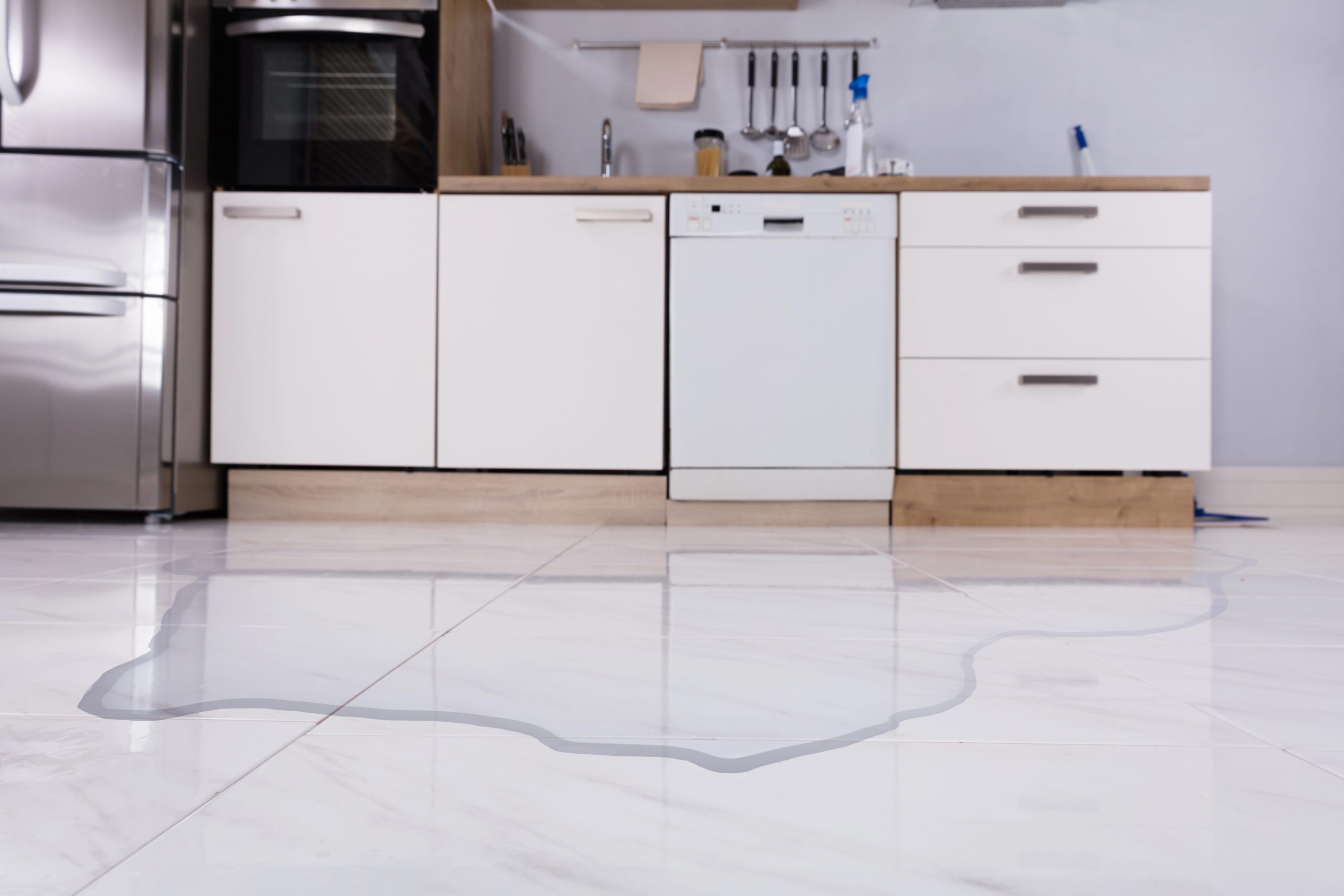
- Water pooling under the fridge or heavy frost buildup that returns quickly.
- Fridge warm but freezer cold (often airflow/fan/defrost-related—best diagnosed by a pro).
If you need urgent help, book same-day repair or request service through the online scheduling page.
Local Authority: Same-day refrigerator repair in Greater Boston suburbs
When a fridge stops cooling, response time matters—especially in busy households and small businesses around Needham, Boston, Waltham, Lexington, Burlington, and Andover. Local technicians who know the area can often respond faster and bring common parts to handle typical “refrigerator not cooling” failures. If you’re in these communities, start here for coverage and fast scheduling: refrigerator repairs in your area.
Why professional emergency repair is safer for cooling system failures
Professional repair is safer because refrigerators combine high-voltage components, moving motors, and refrigerants that require certified handling. The EPA requires technician certification for servicing equipment that could release refrigerant into the atmosphere. In Massachusetts, refrigeration work is also tied to licensing pathways through state oversight.
Beyond compliance, pros can quickly isolate whether the issue is a thermostat/sensor, fan motor, relay, control board, defrost system, or compressor—then test the fix under load to ensure temperatures stabilize. If you need a reliable technician, start with professional appliance repair and request a same-day visit if food safety is at stake.
How can you prevent your fridge from failing again?
Routine coil cleaning, good airflow habits, and gasket checks prevent many surprise cooling failures. A simple maintenance routine reduces strain on the compressor and helps your fridge cool evenly.
- Clean coils every few months (more often with pets).
- Don’t overpack—leave space near vents so air can move.
- Wipe gaskets and confirm doors close fully.
- Use a fridge thermometer to catch drift early and keep temps at safe targets.
If you want help getting your kitchen back to normal fast, schedule a visit through Fix It Guy’s service scheduler.
Emergency Refrigerator Repair FAQs
How soon can a technician arrive for emergency refrigerator repair?
What should I do while waiting for repair?
Why is my freezer cold but the fridge warm?
Should I unplug a refrigerator that stopped cooling?
How do I know if it’s the compressor or something simpler?
Ready to get your fridge cooling again?
A refrigerator that stops cooling can turn into a food-safety problem fast, but you don’t have to guess your way through it. Start with safe checks (power, settings, airflow, coils), keep doors closed, and call for help when temperatures won’t recover. If you’re in the Greater Boston area and need fast support, book same-day repair or schedule an appointment through Fix It Guy to restore cooling and peace of mind.
Further Reading & References
- USDA/FSIS: “Danger Zone” (40°F–140°F)
- FoodSafety.gov: Food Safety During a Power Outage (4-hour refrigerator guidance)
- CDC: Keep Food Safe After an Emergency (4-hour refrigerator guidance)
- EPA: Section 608 Technician Certification Requirements
- Mass.gov: Apply for a Refrigeration Technician License
- Fix It Guy: Refrigerator Repairs (Service Areas)
- Fix It Guy Blog: Refrigerator Noises
- Fix It Guy: Common Appliance Problems