


Spring Appliance Maintenance Checklist: How to Prepare Your Home for a Smooth-Running Summer
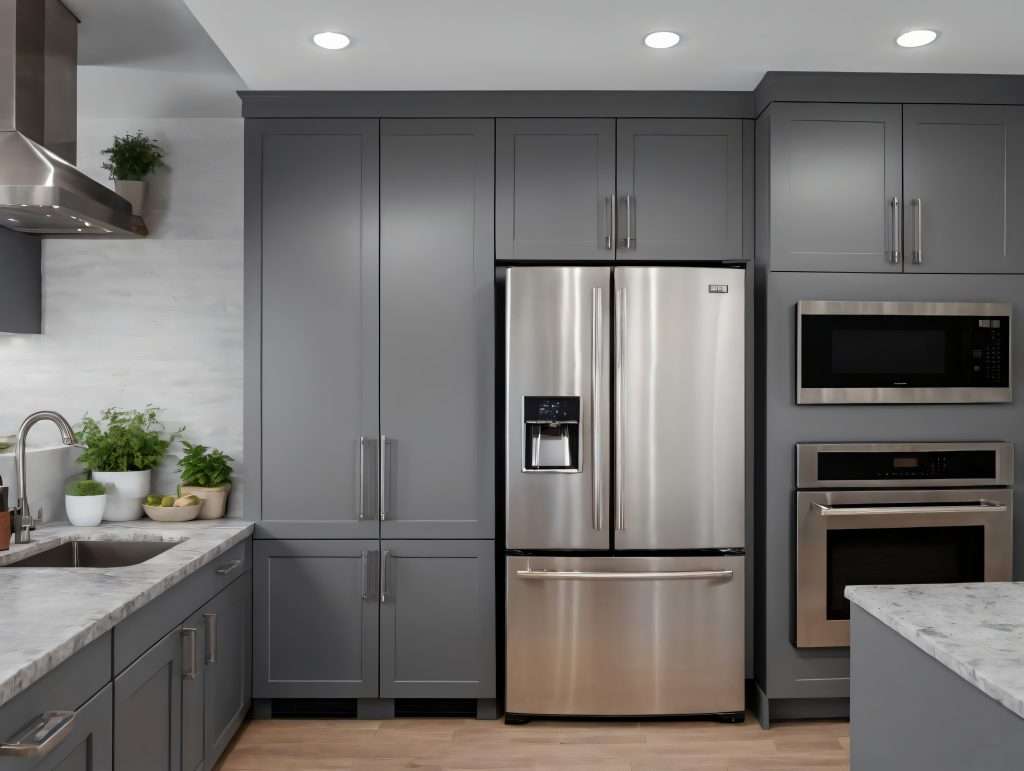
Key Takeaway: Spring appliance maintenance helps your home run efficiently before summer demand increases. By cleaning, inspecting, and tuning key appliances now, you can prevent breakdowns, lower energy bills, and extend the lifespan of your equipment. Spring appliance maintenance is one of the smartest ways to prepare your home for the heat and heavy usage of summer. As temperatures rise, appliances like refrigerators, dryers, and dishwashers work harder—often revealing issues that went unnoticed during colder months. If you’ve ever had a fridge struggle to stay cold or a dryer take two cycles to finish a load, you’ve already seen what happens when maintenance is skipped. A proactive checklist helps prevent those frustrations while improving efficiency and safety across your home. Quick Facts: Spring Appliance Maintenance Checklist Best Time: Early spring before temperatures rise Main Goal: Prevent breakdowns and improve efficiency Top Appliances: Refrigerator, dishwasher, washer, dryer, oven Big Benefit: Lower energy bills and longer appliance lifespan What Appliances Should You Maintain in Spring? You should maintain refrigerators, dishwashers, washers, dryers, and ovens during spring to prepare for increased summer usage. These appliances face the most strain during warmer months. Addressing them early ensures your home stays efficient and avoids emergency repairs when you need them most. Quick Spring Checklist: Clean refrigerator coils Inspect dishwasher filters and seals Check washer hoses for leaks Clear dryer lint traps and vents Test oven seals and burners How to Maintain Your Refrigerator for Summer Efficiency Cleaning refrigerator coils and checking door seals are the most important steps for improving cooling efficiency. Dust buildup on condenser coils forces your refrigerator to work harder, increasing energy usage. Vacuuming coils and ensuring proper airflow can significantly improve performance. If you hear unusual sounds or notice inconsistent cooling, it may be time for professional refrigerator service to prevent further issues. Pro Tip: Set your refrigerator to 37°F and freezer to 0°F for optimal performance and food safety. How to Keep Your Dishwasher Running Efficiently Cleaning filters and spray arms helps maintain strong water flow and spotless dishes. Food debris and mineral buildup can clog your dishwasher over time. Regular cleaning prevents poor performance and reduces the risk of leaks. If you notice water pooling or drainage issues, addressing a problem early with dishwasher repair can prevent costly damage. Washer Maintenance Tips to Prevent Leaks and Damage Inspecting hoses and balancing your washer prevents leaks and excessive wear. Washer hoses can crack or weaken over time, leading to unexpected water damage. Checking them each spring is one of the easiest ways to avoid major repairs. If vibration or noise continues, a quick check through washer repair service can help identify hidden issues. Dryer Maintenance for Safety and Efficiency Cleaning lint traps and vents is essential to reduce fire risk and improve drying performance. Lint buildup restricts airflow, making dryers work harder and increasing overheating risk. According to ENERGY STAR, proper maintenance can improve efficiency and reduce energy use. If your dryer takes longer to dry clothes or feels unusually hot, scheduling dryer service ensures safe operation. Warning: Dryer lint buildup is a leading cause of household fires—regular vent cleaning is critical for safety. Range and Oven Maintenance for Consistent Cooking Cleaning burners and checking oven seals ensures even cooking and energy efficiency. Worn seals allow heat to escape, causing longer cooking times and uneven results. Regular inspection keeps your kitchen running smoothly. How Often Should You Service Home Appliances? Most home appliances should be inspected and maintained at least once per year. Spring is the ideal time because it prepares your home for summer’s increased demand. Preventive maintenance helps reduce repair costs and extend appliance lifespan. Scheduling professional appliance maintenance ensures deeper issues are caught early. Local Authority: Appliance Maintenance in Massachusetts Homes Homes across Massachusetts—including Boston, Needham, Waltham, Lexington, Woburn, and Andover—experience seasonal shifts that impact appliance performance. Humidity in spring and heat in summer can strain appliances, especially in older homes with heavy usage. Local homeowners benefit from proactive maintenance to prevent breakdowns during peak seasons. Working with experienced local technicians ensures your appliances are properly prepared for regional conditions and usage demands. Spring Appliance Maintenance FAQs How often should I maintain my appliances? Most appliances should be maintained once a year, ideally in spring before heavy summer use begins. What is the most important appliance to maintain? Refrigerators and dryers are critical because they run frequently and can pose safety or efficiency risks if not maintained. Can I do appliance maintenance myself? Basic tasks like cleaning and inspection can be done yourself, but complex issues should be handled by professionals. Does maintenance really save money? Yes, regular maintenance reduces energy use, prevents breakdowns, and extends appliance lifespan, saving money over time. Stay Ahead of Breakdowns with Simple Maintenance Spring appliance maintenance is one of the easiest ways to keep your home running smoothly through summer. Small steps like cleaning coils, checking seals, and clearing vents can make a major difference in performance and efficiency. When you stay ahead of wear and tear, you avoid costly repairs and enjoy peace of mind knowing your appliances are ready for daily use. Further Reading & References Appliance repair services Refrigerator repair Dishwasher repair Dryer repair ENERGY STAR Appliance Efficiency
Whirlpool Appliance Repair Guide: Common Issues and Smart Fixes for Every Home
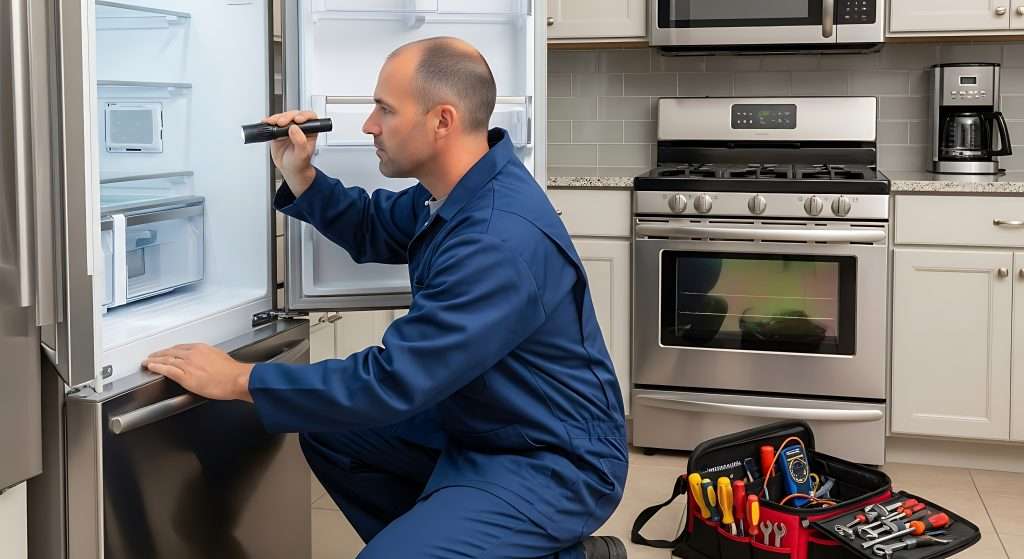
Key Takeaway: Whirlpool appliances are engineered for long-term reliability, but everyday wear can still lead to leaks, noises, weak performance, or unexpected breakdowns. Early troubleshooting, routine cleaning, and timely professional repair prevent small issues from escalating into costly failures and keep every Whirlpool model operating efficiently. Quick Facts Typical Whirlpool lifespan: Refrigerators and washers last 10–14 years; dryers and dishwashers average 8–12 years with proper care. Top failure causes: Blocked vents, dirty filters, worn seals, and aging electrical components. Smart maintenance interval: Clean vents and filters monthly; schedule full-system appliance checks annually. Why Whirlpool Appliance Repair Matters Whirlpool appliance repair matters because catching small issues early protects performance, prevents breakdowns, and extends appliance lifespan. Whirlpool systems are known for durability, but even high-quality machines need periodic care. A refrigerator may develop rattles or temperature swings, a washer may slow its drain cycle, or a dishwasher may begin leaving residue behind. These signs are often early warnings that something small needs attention before it becomes a costly repair. Basic Whirlpool troubleshooting helps homeowners address issues quickly—checking seals, cleaning filters, inspecting hoses, or clearing vents. When problems persist or involve electrical, heating, or sealed-system components, professional support is the safest option. Expert technicians, such as those from local appliance repair services, ensure accurate diagnostics and reliable repairs tailored to Whirlpool models. This guide explores the most common Whirlpool appliance issues and how to fix them—covering refrigerators, dishwashers, washers, dryers, and ovens. You’ll also learn when DIY troubleshooting is sufficient and when it’s time to call a certified professional. Common Whirlpool Refrigerator Problems Whirlpool refrigerators often develop temperature inconsistencies, unusual noises, or water leaks due to restricted airflow, dirty condenser coils, or worn internal components. One of the first troubleshooting steps is confirming that temperature settings are correct and ensuring that food items do not block interior vents. Noises such as rattling or buzzing frequently occur when condenser coils become dirty or when a fan motor begins to strain. Cleaning the coils helps improve efficiency and reduce stress on the compressor. Quick Refrigerator Troubleshooting Checklist • Check for blocked vents inside the fridge. • Clean condenser coils to support cooling and reduce noise. • Inspect door seals for cracks or gaps that release cold air. • Look for ice buildup that may indicate a clogged defrost drain. Leaks commonly occur when the defrost drain freezes or when a water line cracks. Clearing the drain or replacing the damaged line typically resolves the problem. If cooling or noise issues continue even after cleaning, professional refrigerator repair service ensures deeper mechanical or electrical issues are diagnosed accurately. Whirlpool Dishwasher Issues and Fixes Common Whirlpool dishwasher problems include water leaks, dirty dishes after a full cycle, and weak water spray. Most performance issues begin with clogged filters or spray arms. Removing and rinsing these components restores strong water circulation and improves cleaning results. If water pools beneath the dishwasher, inspect the door gasket and verify that hoses and connections are secure. Avoid using excessive detergent, as oversudsing can cause foam-related leaks. Warning: Persistent leaks or electrical smells require immediate professional attention to avoid water damage or electrical hazards. If draining issues continue or cleaning power remains weak after filter maintenance, professional dishwasher leak repair ensures internal valves, sensors, and pumps are functioning correctly. Key Facts Every Homeowner Should Know About Whirlpool Appliance Repair Whirlpool appliances are dependable, but maintaining them requires consistent care and early intervention. The insights below help prevent breakdowns and protect appliance lifespan. Dirty condenser coils strain the compressor and contribute to cooling failures. Routine cleaning helps prevent unexpected refrigerator repair. Noisy operation often signals loose parts or early motor wear. Addressing refrigerator noises promptly prevents deeper damage. Dishwasher leaks commonly result from cracked gaskets or loose fittings, making early leak repair essential. Washer shaking or slow draining usually stems from unbalanced loads or clogged drain hoses. Regular washer maintenance prevents these issues. Dryer heating problems often result from blocked vents or lint buildup. Clearing the vent path improves airflow and drying efficiency. Ovens with uneven heat often need calibration or sensor replacement to restore even cooking performance. Burning smells, electrical faults, or repeated failures require immediate professional repair to ensure home safety. Whirlpool Washer Issues Whirlpool washers frequently experience unbalanced loads, slow draining, repeated error codes, or startup failures. These issues often stem from simple causes such as uneven flooring, clogged drain hoses, or buildup inside the drain pump filter. Resetting the washer can resolve minor glitches, but recurring error codes usually point to electrical or mechanical faults that require testing by a trained professional. For persistent issues, professional washer repair ensures accurate diagnostics and safe service. Whirlpool Dryer Problems and Solutions Whirlpool dryers may stop heating or spinning due to lint buildup, restricted airflow, worn belts, or failed heating elements. Cleaning the lint trap after every cycle and checking the vent hose monthly help maintain good airflow and reduce fire risk. Thumping or squeaking sounds often indicate worn drum rollers or loose belts. If these issues continue after basic maintenance, a certified technician should inspect the heating system and electrical components. Professional dryer repair services ensure heating elements, thermostats, and fuses operate safely. Whirlpool Oven and Range Repair Tips Whirlpool ovens and ranges may experience issues with temperature accuracy, ignition, or uneven heating. Checking for calibration errors and ensuring burners are clean helps maintain efficient operation. When ovens fail to heat consistently or ignition problems persist, deeper inspection is needed. Faulty sensors, wiring failures, or damaged heating elements require professional oven repair to ensure reliable and safe performance. Access to genuine Whirlpool parts, such as those obtained from authorized parts suppliers, helps preserve appliance longevity. When to Contact a Whirlpool Service Technician Professional Whirlpool service becomes essential when appliances show electrical smells, repeated failures, major leaks, or loss of cooling or heating. Certified technicians perform accurate diagnostics and address issues safely. For urgent repairs, homeowners can request same-day appliance repair to restore essential systems quickly. Timely professional service prevents worsening
Emergency Refrigerator Repair: What to Do When Your Fridge Stops Cooling
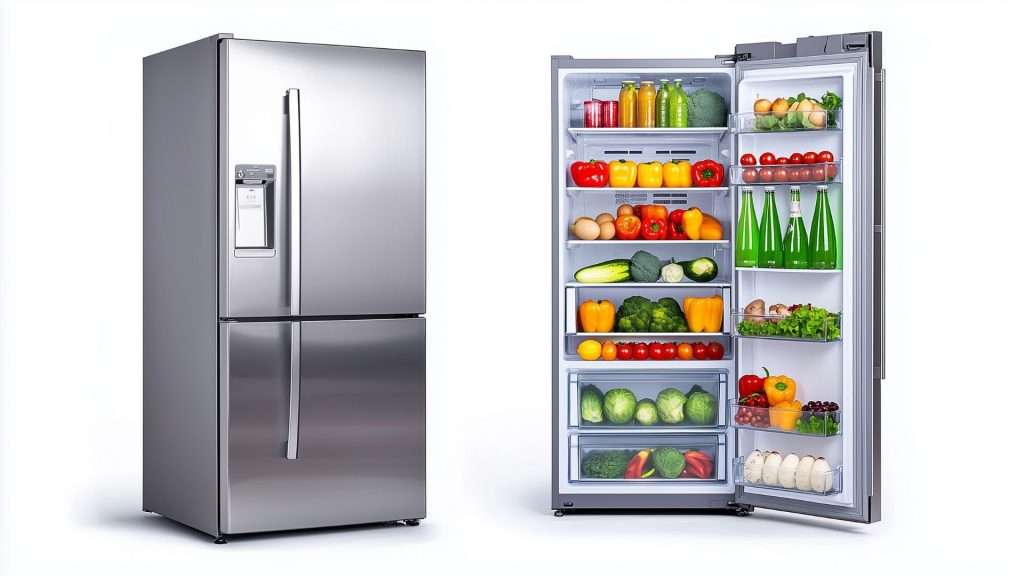
Key Takeaway: When a refrigerator stops cooling, fast action protects your food and your appliance. Start by checking simple causes like power, settings, airflow, and dirty coils. If the fridge temperature climbs above safe levels or cooling doesn’t return within a short window, scheduling emergency refrigerator repair is the safest way to prevent food loss and avoid bigger (more expensive) component damage. Opening your fridge and feeling warm air is an instant stress spike—especially when it’s full of groceries, meal prep, or kid snacks. A refrigerator not cooling problem can be minor (such as blocked vents) or serious (such as a failing compressor). Either way, time matters because the risks of foodborne illness and appliance damage increase as temperatures rise. This guide walks you through what to do first, how long food typically stays safe, and how to decide whether you can troubleshoot safely or you should call for same-day repair. If you’re in Massachusetts and need urgent help, Fix It Guy offers refrigerator repair service in Needham, Boston, Waltham, Lexington, Burlington, and Andover. Quick Facts Food safety target: Keep your refrigerator at or below 40°F to stay out of the “danger zone.” Door-closed rule: Food typically stays safe for about 4 hours in a closed refrigerator during an outage. Hire qualified pros: Technicians servicing equipment that could release refrigerant must be EPA Section 608 certified. What should you do first when your fridge stops cooling? Keep the doors closed and confirm the power source immediately. Every time you open the door, cold air dumps out, and the interior temperature rises faster. While keeping the door shut, do a quick power check: First 5 minutes checklist 1) Verify power: Is the plug secure? Is the outlet working? Check the breaker/GFCI. 2) Listen for normal operation: A low hum is normal. Repeated clicking or loud buzzing can point to a failing part. 3) Confirm settings: Make sure the fridge wasn’t accidentally set warmer or switched into a “demo”/showroom mode (common after moves). 4) Check the door seal: A gap or torn gasket lets cold air escape and forces nonstop run time. If power is stable and settings are correct, move on to airflow and coil checks below. If the fridge is completely dead (no lights, no fan sounds), skip DIY and book appliance repair—electrical issues can be unsafe without proper tools. How long can food stay safe in a warm refrigerator? Food safety becomes a concern once perishables rise above 40°F, and a closed fridge typically holds safe temperatures for about 4 hours during an outage. USDA/FSIS defines the “danger zone” for bacterial growth between 40°F and 140°F. FoodSafety.gov and the CDC both note that if doors stay closed, refrigerated food stays safe for up to about 4 hours Food safety while you wait Keep doors closed as much as possible to preserve cold air. If it’s been around 4 hours and the fridge is warming, move high-risk foods (meat, poultry, seafood, dairy, leftovers) into a cooler with ice. If you have one, use an appliance thermometer to confirm whether foods stayed at or below 40°F. If you suspect your fridge has been above safe temperatures long enough that food is at risk, prioritize safety over saving groceries. When in doubt, discard questionable perishables—foodborne illness costs more than groceries. Why is your refrigerator running but not cooling? A fridge can “run” while still failing to cool if airflow is blocked, heat can’t escape, or a critical cooling component isn’t functioning. These are the most common causes homeowners run into: Common causes of “fridge warm but running” • Dirty condenser coils: Dust and pet hair trap heat and reduce cooling capacity. • Blocked vents: Overpacked shelves block cold-air circulation between freezer and fridge sections. • Evaporator or condenser fan issues: Fans move air and remove heat; failure can mean warm compartments. • Thermostat or sensor problems: The unit may not start a cooling cycle at the right time. • Compressor or start relay failure: Clicking, repeated starts, or overheating can signal trouble. If you’re hearing new sounds (clicking, grinding, buzzing), use this internal guide to narrow the likely culprit: Refrigerator Noises: What They Mean. What can you safely troubleshoot before calling a technician? You can safely check airflow, coils, and settings—without opening panels or handling electrical components. Here are DIY steps that are low-risk and often effective: Safe troubleshooting steps Clear air vents: Pull containers away from the back wall and vent openings so cold air can circulate. Clean condenser coils: If your model’s coils are accessible (often behind the front grille or back panel), gently vacuum/brush dust and pet hair. Unplug first for safety. Check door gaskets: Look for cracks, gaps, or a door that doesn’t close fully. A poor seal can mimic a cooling failure. Set temps correctly: Many homes do best around 37–40°F for the fridge and 0°F for the freezer. (USDA/FSIS emergency guidance) Quick reset: If the unit is acting glitchy, unplug for 3–5 minutes, then plug back in. (Only do this if you can safely access the plug.) If those steps don’t restore cooling within a reasonable period—or the fridge is still warming—skip further DIY. More complex failures often require specialized diagnostics and parts. If you’re seeing patterns across other appliances too, this resource can help you spot broader issues: Common Appliance Problems. When should you call for emergency refrigerator repair? You should call for emergency refrigerator repair when food safety is at risk, the unit won’t cool after basic checks, or you notice warning signs of mechanical/electrical failure. Call for help right away if any of the following apply: Emergency warning signs Temperatures rising toward or above 40°F with perishables inside. Cooling doesn’t return after checking power, settings, airflow, and coils. Clicking, grinding, burning smell, or repeated restart attempts (possible relay/compressor issues). Water pooling under the fridge or heavy frost buildup that returns quickly. Fridge warm but freezer cold (often airflow/fan/defrost-related—best diagnosed by a pro). If you need urgent help, book same-day repair or request
Why Is My Refrigerator So Noisy? Expert Refrigerator Noise Troubleshooting Tips
Key Takeaway: Most refrigerator noises are normal, but sudden changes in volume, rhythm, or type of sound often signal mechanical wear or airflow issues. Early refrigerator noise troubleshooting—cleaning coils, leveling the unit, or scheduling professional repair—helps prevent breakdowns, improves efficiency, and extends the appliance’s lifespan. Quick Facts About Refrigerator Noise A steady hum usually means the compressor is operating normally. Loud rattling often indicates loose panels or uneven leveling. Clicking may relate to the defrost cycle or a failing start relay. Grinding or screeching sounds often point to fan motor wear. Dirty condenser coils are one of the most common causes of loud operation. Why Is My Refrigerator So Noisy? Refrigerator noise troubleshooting begins with understanding that modern refrigerators are never completely silent. A soft hum, light clicking, or occasional gurgling is part of normal operation. However, when your refrigerator becomes noticeably louder, changes rhythm, or produces sharp grinding or knocking sounds, it’s often signaling a developing issue. Most refrigerator noises come from the compressor, condenser fan, or evaporator fan. These parts run frequently to maintain safe food storage temperatures. Over time, dust buildup, worn bearings, or loose components can cause vibration and mechanical noise. Addressing these issues early helps prevent more serious cooling failures and protects your food from spoilage. If basic troubleshooting doesn’t solve the issue, scheduling professional refrigerator repair ensures internal components are inspected safely and accurately before damage worsens. Understanding Common Refrigerator Noises Humming or Buzzing A low, steady hum usually indicates the compressor is running normally. If the hum becomes louder or uneven, dirty condenser coils or airflow restrictions may be forcing the system to work harder. Cleaning the coils and ensuring proper clearance around the appliance often reduces excess noise. Rattling Rattling typically points to loose screws, vibrating drain pans, or the refrigerator not sitting level. Items stored on top of the fridge can also amplify vibrations. Adjusting leveling legs and tightening visible panels can often resolve this issue quickly. Clicking Occasional clicking is common during defrost cycles. However, frequent clicking may signal a failing start relay or electrical component. If cooling performance declines along with the clicking, professional inspection is recommended. Gurgling Gurgling sounds usually come from refrigerant moving through coils. This is harmless under normal conditions. If the noise becomes louder and temperature control changes, a technician should evaluate the sealed system. Grinding or Screeching Grinding or high-pitched screeching often indicates worn fan bearings or motor issues. These sounds require prompt attention, as continued operation can cause component failure. When Refrigerator Noise Means Trouble Persistent knocking, grinding, or loud buzzing often signals mechanical wear. A compressor that struggles to start may produce repeated clicking or knocking. Fan blades hitting ice buildup can create scraping sounds. Ignoring these warning signs may lead to complete cooling failure. If you notice these sounds along with temperature fluctuations, unplug the refrigerator and schedule same-day repair service to prevent further damage. The Role of Maintenance in Preventing Noise Routine maintenance plays a critical role in preventing noisy refrigerator issues. Cleaning condenser coils every 3–6 months improves airflow and reduces compressor strain. Checking door seals ensures cold air remains inside, preventing the system from overworking. Keeping your appliance level also reduces vibration. An uneven refrigerator forces internal components to shift slightly during operation, leading to rattling or humming sounds. Adjusting leveling legs often makes an immediate difference. Scheduling annual appliance maintenance helps catch small issues before they become costly repairs. How to Troubleshoot Refrigerator Noise at Home Before calling a technician, follow these safe troubleshooting steps: Unplug the refrigerator and inspect for loose items inside or behind it. Clean condenser coils using a vacuum or coil brush. Check leveling with a small bubble level and adjust front legs if needed. Inspect visible screws and panels for looseness. Allow the freezer to defrost if ice buildup is suspected. If the noise persists after these steps, consult professional refrigerator noise troubleshooting resources or schedule service. When to Call a Professional Technician If noise continues after cleaning and leveling, internal mechanical components may be failing. Compressor, evaporator fan, and relay repairs require specialized tools and training. Attempting DIY repair can cause further damage or void warranties. Experienced technicians can diagnose issues quickly and determine whether repair or replacement is most cost-effective. Homeowners can easily request support through the Fix It Guy contact page to restore quiet, reliable operation. Refrigerator Noise FAQ Is it normal for a refrigerator to make noise all the time? Yes. Refrigerators cycle on and off throughout the day. A steady hum, light click, or mild gurgle is normal. Sudden or loud changes require inspection. Why does my fridge get louder at night? Nighttime silence makes normal operating sounds more noticeable. However, if the volume truly increases, airflow restrictions or compressor strain may be the cause. Can a noisy compressor be repaired? Minor vibration issues can sometimes be adjusted, but internal compressor damage usually requires replacement by a professional technician. How often should refrigerator coils be cleaned? Every 3–6 months for most households, especially if you have pets or dust accumulation. Will leveling my refrigerator really reduce noise? Yes. Proper leveling reduces vibration and prevents internal components from shifting during operation. Keep Your Refrigerator Quiet and Efficient Refrigerator noise troubleshooting is about listening early and acting quickly. A quiet hum means smooth performance. A sudden grind or knock means it’s time to investigate. Simple steps like coil cleaning, leveling, and tightening loose parts often restore quiet operation. When deeper issues arise, professional service prevents costly breakdowns and protects your food investment. If your refrigerator continues making unusual sounds, you can schedule expert evaluation through Fix It Guy’s refrigerator service team to keep your kitchen running quietly and efficiently. Further Reading U.S. Department of Energy: Refrigerator and Freezer Maintenance Tips Refrigerator Noises Explained Appliance Repair Services Same-Day Appliance Repair
Why Is Your Fridge So Loud? Common Refrigerator Noises and What They Mean
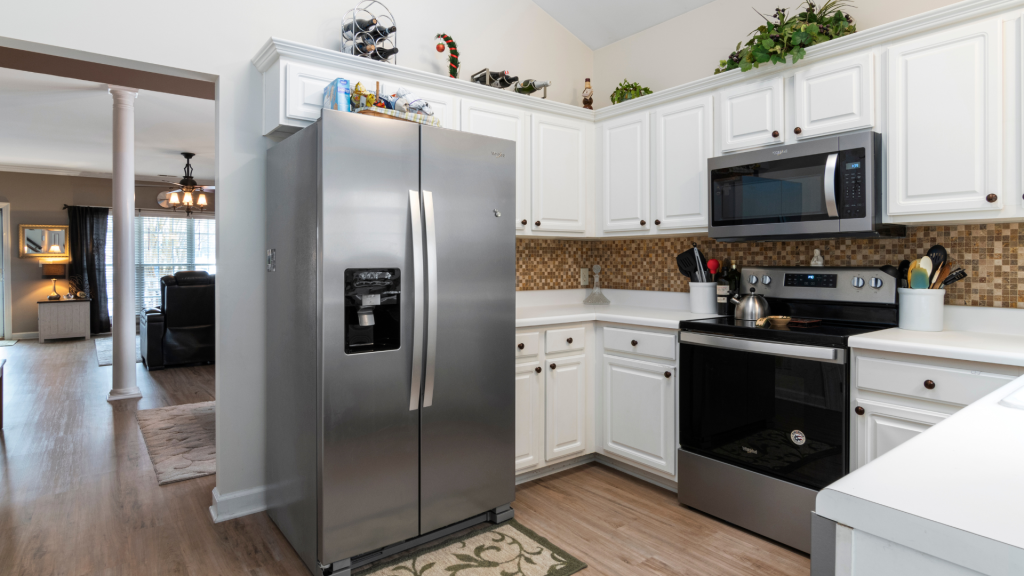
Key Takeaway: Refrigerator noises are often diagnostic clues. Gentle humming is normal, but loud buzzing, clicking, or screeching can indicate underlying issues. Addressing these noises early can prevent breakdowns and costly repairs. Understanding What Your Refrigerator Is Telling You A noisy fridge isn’t just annoying—it may be signaling trouble. While some sounds are part of normal operation, others can indicate mechanical or electrical issues. Learning to identify these noises can help you act early, preserving efficiency and extending the life of your appliance. This guide explores common refrigerator sounds, what they mean, and when it’s time to call a professional. From buzzing and humming to clicking, gurgling, or screeching, knowing the difference keeps your fridge running smoothly. Buzzing and Humming: When Normal Becomes Noticeable All refrigerators produce a low hum while operating. However, persistent or loud buzzing may indicate issues with the compressor motor, condenser coils, or other internal components. Regular maintenance can prevent these minor concerns from turning into costly repairs. If buzzing continues despite normal operation, it’s a good idea to consult a professional. Clicking or Ticking: Normal Switches or Something Wrong? Clicking and ticking sounds are often caused by defrost timers or relay switches activating. Occasional clicks are normal, but frequent or loud clicking may suggest a failing start relay or compressor. If accompanied by overheating or irregular cycling, it’s time to seek professional evaluation. Key Facts About Refrigerator Noises Buzzing and humming can signal compressor or coil issues. Clicking may indicate normal operation or relay problems. Gurgling often comes from refrigerant movement but can point to leaks. Squealing/screeching usually relates to fan motor or ice buildup. Loud thuds or knocking might indicate loose components. Electrical popping or high-pitched whines require immediate service. Gurgling or Bubbling: Coolant in Motion Gurgling or bubbling often comes from refrigerant circulating through the coils, which is normal. Loud or persistent gurgling may indicate air in the system or a refrigerant leak. Addressing these issues quickly prevents efficiency loss and more serious damage. For professional assistance, contact qualified repair services. Squealing or Screeching: Fan or Motor Issues High-pitched squeals often indicate problems with evaporator or condenser fans. Ice buildup, worn bearings, or aging motors can create these noises. Regular inspections and timely servicing, as outlined in appliance repair guides, prevent escalation. Loud Thuds or Knocking: Something Shifting Loud thuds often result from ice dropping in the ice bin or internal parts shifting. Persistent or unusually loud knocks may point to loose compressor mounts or a damaged cooling system. Early diagnosis by a professional can prevent costly repairs, as noted by repair experts. Noises That Require Immediate Attention Electrical popping, prolonged screeching, or high-pitched whines are signs you need urgent repair. Document the noise type and frequency to help technicians diagnose the problem efficiently. Prompt action prevents full system failure and protects your appliance. Trusted repair services, such as FixItGuy, specialize in these urgent cases. Frequently Asked Questions About Refrigerator Noises Is it normal for my fridge to make noise all the time? Normal sounds include a low hum. Loud, persistent, or unusual noises usually indicate a problem. Can I fix a noisy fridge myself? Minor fixes like leveling or clearing vents can be done safely, but electrical or refrigerant issues should be handled by professionals. How much does a refrigerator repair usually cost? Costs vary by issue, but early detection of problems generally keeps repairs more affordable. Are some refrigerator brands noisier than others? Yes, some models are naturally louder, but unusual noises often indicate maintenance is needed. Should I unplug my fridge if it makes a loud noise? If the noise is extreme or accompanied by burning smells, unplug the fridge and call a professional immediately. Further Reading Refrigerator Repair Services Dryer Repairs in Needham & Boston Washer Repairs in Needham Energy.gov — Kitchen Appliances
Stop the Drip: How to Fix a Leaking Dishwasher Before It Causes Damage
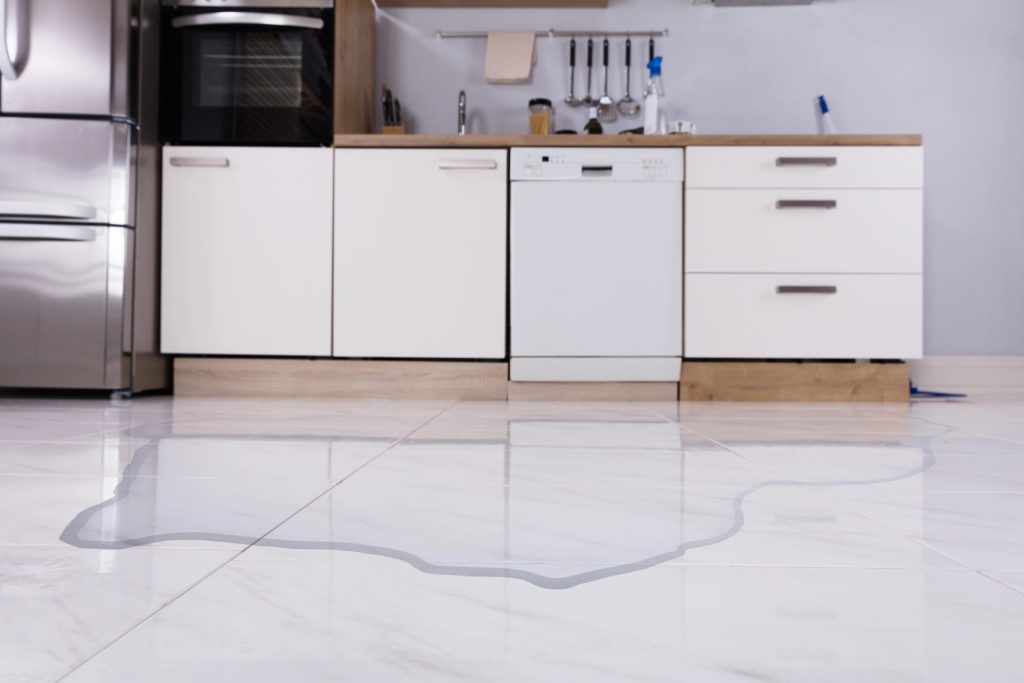
Key Takeaway: A leaking dishwasher is more than a nuisance—it can lead to water damage, mold growth, and expensive repairs if ignored. Most leaks come from worn door gaskets, loose hoses, clogged filters, or faulty internal components. Early inspection and routine maintenance can prevent serious damage, but persistent or internal leaks should always be handled by a professional technician. Why Is Your Dishwasher Leaking? A dishwasher leak repair often starts with understanding why the leak is happening in the first place. Even a small drip can spread unnoticed under flooring or cabinets, leading to warped wood, mold growth, and electrical hazards. Because dishwashers use pressurized water during wash and drain cycles, leaks tend to worsen over time if left untreated. Homeowners in Massachusetts—including areas like Needham, Boston, and Waltham—are especially vulnerable to hidden water damage due to older housing stock and cabinetry. Catching a leak early helps protect both your kitchen and the long-term value of your home. This guide walks through the most common causes of dishwasher leaks, how to inspect your appliance safely, which fixes you can handle yourself, and when it’s time to call in a professional for reliable dishwasher leak repair. What Are the Most Common Causes of Dishwasher Leaks? Most dishwasher leaks come from a handful of predictable issues that develop over time. The most frequent cause is a worn or damaged door gasket. This rubber seal keeps water inside the unit during operation, but heat, detergent, and age can cause it to crack or compress. Loose or deteriorated hose connections are another major source of leaks. Vibrations during wash cycles can loosen fittings, while aging hoses may crack or bulge. Clogged filters can also cause water to back up and overflow inside the dishwasher. In some cases, a faulty float switch allows too much water to enter the unit, leading to leaks underneath or around the door. These problems are similar to issues found in other appliances, such as washing machines, where worn hoses or seals lead to water damage. Addressing washing machine repair issues early follows the same preventive principle. How to Inspect Your Dishwasher for Leaks Safely Before inspecting your dishwasher, turn off the power at the breaker and shut off the water supply to avoid electrical or flooding risks. Start by removing the front kickplate and checking for moisture underneath the unit—this is often the first place leaks appear. Next, inspect the door perimeter. Use a flashlight to look for water trails, residue, or damp insulation near the door corners. Placing paper towels along the base of the dishwasher and running a short cycle can help reveal exactly where water is escaping. Finally, check beneath the unit for pooling water or corrosion. If you plan to call a professional, taking photos of the leak area can help speed up diagnosis and reduce service time. Quick Facts About Fixing a Leaking Dishwasher Even minor dishwasher leaks can cause flooring damage, cabinet swelling, and mold growth. Door gaskets, hoses, filters, and float switches are the most common failure points. Leaks often occur only during certain cycles, such as filling or draining. Ignoring leaks increases repair costs and can create electrical safety risks. Professional repair is recommended for internal component failures or recurring leaks. How Do You Fix Door Seal and Gasket Leaks? A worn door gasket is the most common cause of a dishwasher water leak. The gasket lines the dishwasher door and creates a watertight seal during operation. When it becomes brittle, cracked, or misshapen, water escapes during the wash cycle. Start by cleaning the gasket with warm water and mild detergent to remove grease or debris that may prevent a proper seal. If you see visible cracks or flattened sections, replacement is the best solution. Most gaskets are inexpensive and model-specific. To replace it, gently pull out the old gasket, clean the channel thoroughly, and press the new gasket evenly into place. This simple repair can stop leaks immediately and extend the life of your dishwasher. Preventive gasket care also reduces similar issues seen in other household appliances. What Should You Check on Water Inlet and Drain Hoses? Water inlet and drain hoses connect your dishwasher to the plumbing system and are common leak sources. Over time, hoses can crack, loosen, or corrode—especially in older homes. With the water supply turned off, inspect hose connections for moisture, rust, or mineral buildup. Tighten loose fittings and replace any hose that shows visible damage. Be sure replacement hoses match your dishwasher model and pressure requirements. If the leak originates from internal tubing or inaccessible components, professional service is usually required. Homeowners in Massachusetts can rely on professional appliance repair services to handle complex hose or valve issues safely. When Should You Call a Professional Dishwasher Repair Technician? DIY fixes work well for external leaks, but some situations require expert attention. If your dishwasher continues leaking after gasket and hose repairs, or if you notice electrical issues, unusual noises, or leaks from underneath the unit, it’s time to call a professional. Certified technicians can diagnose internal problems such as cracked tubs, failing pumps, or malfunctioning valves. Professional repairs often include warranties, ensuring the issue is resolved correctly and reducing the risk of repeat damage. If you’re unsure whether a repair is safe to attempt, it’s always better to consult a professional rather than risk water damage or injury. Frequently Asked Questions About Dishwasher Leak Repair What is the most common cause of a leaking dishwasher? The most common cause is a worn or damaged door gasket that no longer seals properly during wash cycles. Is it safe to use a dishwasher that leaks occasionally? No. Even occasional leaks can cause hidden water damage, mold growth, and electrical hazards over time. Can clogged filters cause dishwasher leaks? Yes. Clogged filters can prevent proper drainage, causing water to back up and leak from the unit. How much does professional dishwasher leak repair cost? Costs typically range from $100 to $300, depending on the severity and