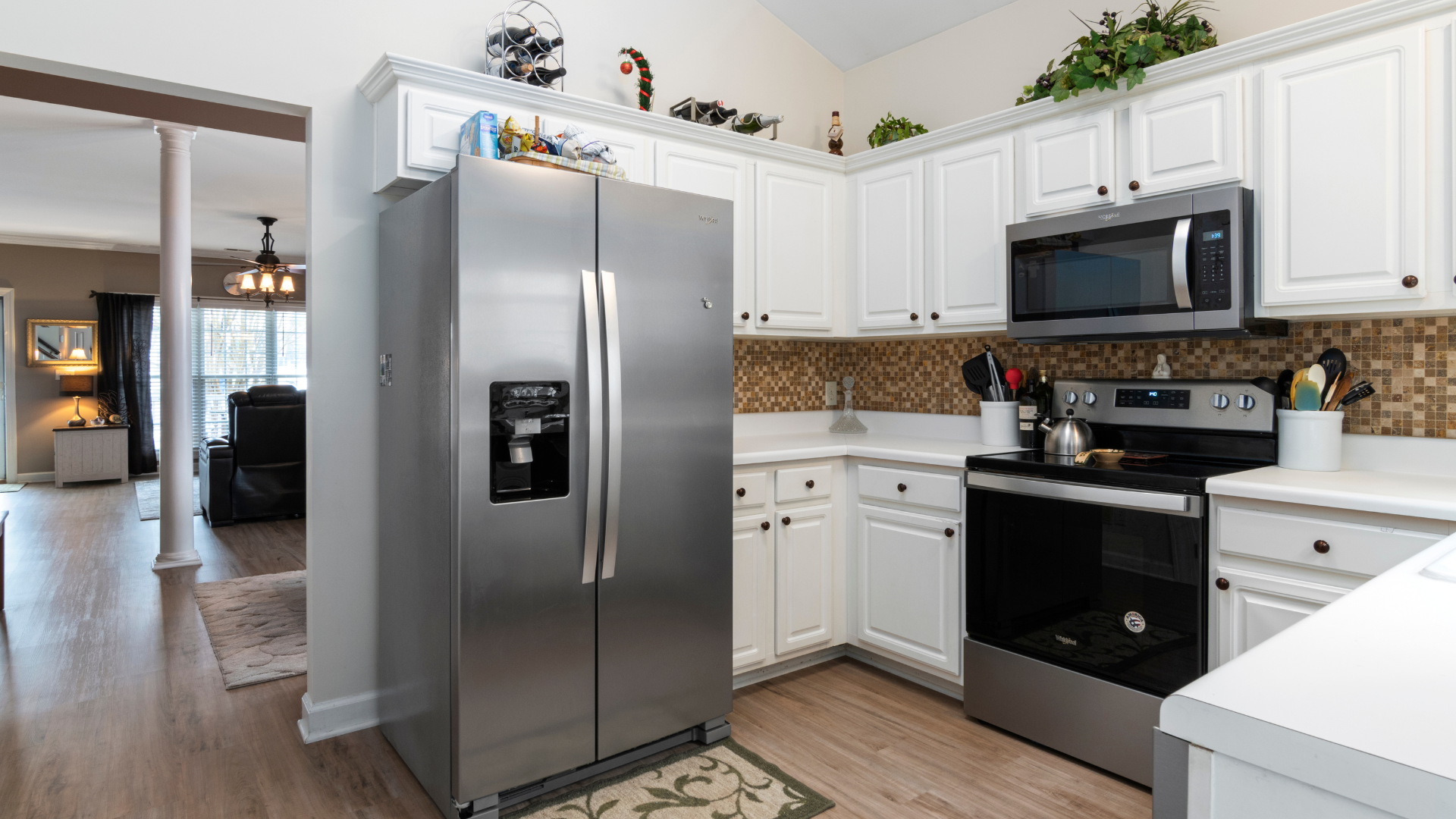



Most refrigerator noises are normal, but sudden changes in volume, rhythm, or type of sound often signal mechanical wear or airflow issues. Early refrigerator noise troubleshooting—cleaning coils, leveling the unit, or scheduling professional repair—helps prevent breakdowns, improves efficiency, and extends the appliance’s lifespan.
- A steady hum usually means the compressor is operating normally.
- Loud rattling often indicates loose panels or uneven leveling.
- Clicking may relate to the defrost cycle or a failing start relay.
- Grinding or screeching sounds often point to fan motor wear.
- Dirty condenser coils are one of the most common causes of loud operation.
Why Is My Refrigerator So Noisy?
Refrigerator noise troubleshooting begins with understanding that modern refrigerators are never completely silent. A soft hum, light clicking, or occasional gurgling is part of normal operation. However, when your refrigerator becomes noticeably louder, changes rhythm, or produces sharp grinding or knocking sounds, it’s often signaling a developing issue.
Most refrigerator noises come from the compressor, condenser fan, or evaporator fan. These parts run frequently to maintain safe food storage temperatures. Over time, dust buildup, worn bearings, or loose components can cause vibration and mechanical noise. Addressing these issues early helps prevent more serious cooling failures and protects your food from spoilage.
If basic troubleshooting doesn’t solve the issue, scheduling professional refrigerator repair ensures internal components are inspected safely and accurately before damage worsens.
Understanding Common Refrigerator Noises
Humming or Buzzing
A low, steady hum usually indicates the compressor is running normally. If the hum becomes louder or uneven, dirty condenser coils or airflow restrictions may be forcing the system to work harder. Cleaning the coils and ensuring proper clearance around the appliance often reduces excess noise.
Rattling
Rattling typically points to loose screws, vibrating drain pans, or the refrigerator not sitting level. Items stored on top of the fridge can also amplify vibrations. Adjusting leveling legs and tightening visible panels can often resolve this issue quickly.
Clicking
Occasional clicking is common during defrost cycles. However, frequent clicking may signal a failing start relay or electrical component. If cooling performance declines along with the clicking, professional inspection is recommended.
Gurgling
Gurgling sounds usually come from refrigerant moving through coils. This is harmless under normal conditions. If the noise becomes louder and temperature control changes, a technician should evaluate the sealed system.
Grinding or Screeching
Grinding or high-pitched screeching often indicates worn fan bearings or motor issues. These sounds require prompt attention, as continued operation can cause component failure.
When Refrigerator Noise Means Trouble
Persistent knocking, grinding, or loud buzzing often signals mechanical wear. A compressor that struggles to start may produce repeated clicking or knocking. Fan blades hitting ice buildup can create scraping sounds. Ignoring these warning signs may lead to complete cooling failure.
If you notice these sounds along with temperature fluctuations, unplug the refrigerator and schedule same-day repair service to prevent further damage.
The Role of Maintenance in Preventing Noise
Routine maintenance plays a critical role in preventing noisy refrigerator issues. Cleaning condenser coils every 3–6 months improves airflow and reduces compressor strain. Checking door seals ensures cold air remains inside, preventing the system from overworking.
Keeping your appliance level also reduces vibration. An uneven refrigerator forces internal components to shift slightly during operation, leading to rattling or humming sounds. Adjusting leveling legs often makes an immediate difference.
Scheduling annual appliance maintenance helps catch small issues before they become costly repairs.
How to Troubleshoot Refrigerator Noise at Home
Before calling a technician, follow these safe troubleshooting steps:
- Unplug the refrigerator and inspect for loose items inside or behind it.
- Clean condenser coils using a vacuum or coil brush.
- Check leveling with a small bubble level and adjust front legs if needed.
- Inspect visible screws and panels for looseness.
- Allow the freezer to defrost if ice buildup is suspected.
If the noise persists after these steps, consult professional refrigerator noise troubleshooting resources or schedule service.
When to Call a Professional Technician
If noise continues after cleaning and leveling, internal mechanical components may be failing. Compressor, evaporator fan, and relay repairs require specialized tools and training. Attempting DIY repair can cause further damage or void warranties.
Experienced technicians can diagnose issues quickly and determine whether repair or replacement is most cost-effective. Homeowners can easily request support through the Fix It Guy contact page to restore quiet, reliable operation.
Refrigerator Noise FAQ
Is it normal for a refrigerator to make noise all the time?
Yes. Refrigerators cycle on and off throughout the day. A steady hum, light click, or mild gurgle is normal. Sudden or loud changes require inspection.
Why does my fridge get louder at night?
Nighttime silence makes normal operating sounds more noticeable. However, if the volume truly increases, airflow restrictions or compressor strain may be the cause.
Can a noisy compressor be repaired?
Minor vibration issues can sometimes be adjusted, but internal compressor damage usually requires replacement by a professional technician.
How often should refrigerator coils be cleaned?
Every 3–6 months for most households, especially if you have pets or dust accumulation.
Will leveling my refrigerator really reduce noise?
Yes. Proper leveling reduces vibration and prevents internal components from shifting during operation.
Keep Your Refrigerator Quiet and Efficient
Refrigerator noise troubleshooting is about listening early and acting quickly. A quiet hum means smooth performance. A sudden grind or knock means it’s time to investigate. Simple steps like coil cleaning, leveling, and tightening loose parts often restore quiet operation.
When deeper issues arise, professional service prevents costly breakdowns and protects your food investment. If your refrigerator continues making unusual sounds, you can schedule expert evaluation through Fix It Guy’s refrigerator service team to keep your kitchen running quietly and efficiently.