


Stop the Drip: How to Fix a Leaking Dishwasher Before It Causes Damage
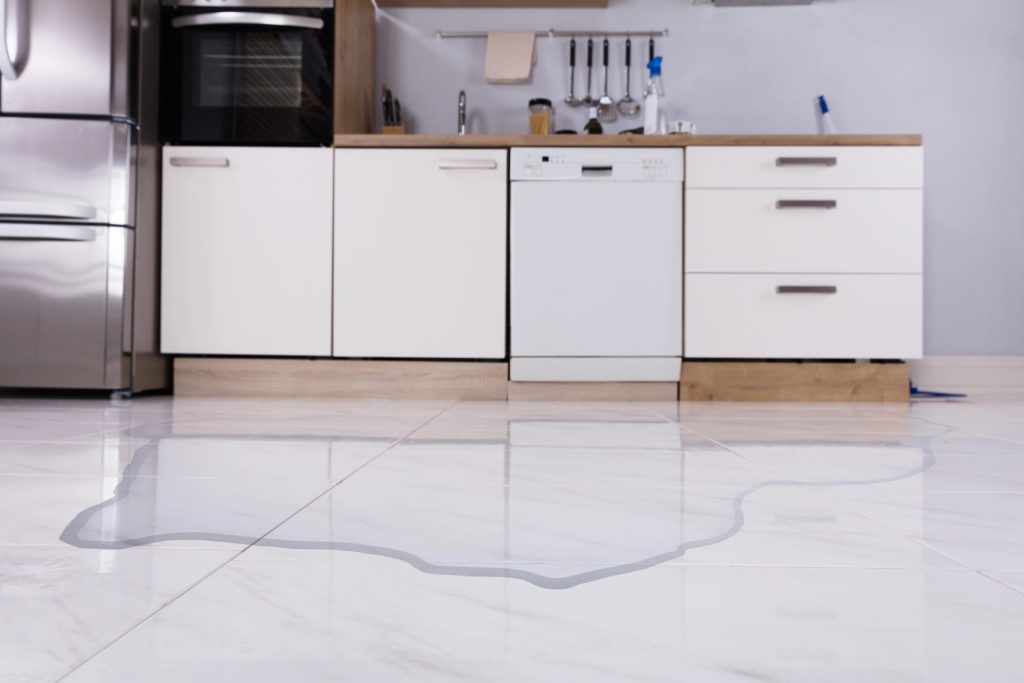
Key Takeaway: A leaking dishwasher is more than a nuisance—it can lead to water damage, mold growth, and expensive repairs if ignored. Most leaks come from worn door gaskets, loose hoses, clogged filters, or faulty internal components. Early inspection and routine maintenance can prevent serious damage, but persistent or internal leaks should always be handled by a professional technician. Why Is Your Dishwasher Leaking? A dishwasher leak repair often starts with understanding why the leak is happening in the first place. Even a small drip can spread unnoticed under flooring or cabinets, leading to warped wood, mold growth, and electrical hazards. Because dishwashers use pressurized water during wash and drain cycles, leaks tend to worsen over time if left untreated. Homeowners in Massachusetts—including areas like Needham, Boston, and Waltham—are especially vulnerable to hidden water damage due to older housing stock and cabinetry. Catching a leak early helps protect both your kitchen and the long-term value of your home. This guide walks through the most common causes of dishwasher leaks, how to inspect your appliance safely, which fixes you can handle yourself, and when it’s time to call in a professional for reliable dishwasher leak repair. What Are the Most Common Causes of Dishwasher Leaks? Most dishwasher leaks come from a handful of predictable issues that develop over time. The most frequent cause is a worn or damaged door gasket. This rubber seal keeps water inside the unit during operation, but heat, detergent, and age can cause it to crack or compress. Loose or deteriorated hose connections are another major source of leaks. Vibrations during wash cycles can loosen fittings, while aging hoses may crack or bulge. Clogged filters can also cause water to back up and overflow inside the dishwasher. In some cases, a faulty float switch allows too much water to enter the unit, leading to leaks underneath or around the door. These problems are similar to issues found in other appliances, such as washing machines, where worn hoses or seals lead to water damage. Addressing washing machine repair issues early follows the same preventive principle. How to Inspect Your Dishwasher for Leaks Safely Before inspecting your dishwasher, turn off the power at the breaker and shut off the water supply to avoid electrical or flooding risks. Start by removing the front kickplate and checking for moisture underneath the unit—this is often the first place leaks appear. Next, inspect the door perimeter. Use a flashlight to look for water trails, residue, or damp insulation near the door corners. Placing paper towels along the base of the dishwasher and running a short cycle can help reveal exactly where water is escaping. Finally, check beneath the unit for pooling water or corrosion. If you plan to call a professional, taking photos of the leak area can help speed up diagnosis and reduce service time. Quick Facts About Fixing a Leaking Dishwasher Even minor dishwasher leaks can cause flooring damage, cabinet swelling, and mold growth. Door gaskets, hoses, filters, and float switches are the most common failure points. Leaks often occur only during certain cycles, such as filling or draining. Ignoring leaks increases repair costs and can create electrical safety risks. Professional repair is recommended for internal component failures or recurring leaks. How Do You Fix Door Seal and Gasket Leaks? A worn door gasket is the most common cause of a dishwasher water leak. The gasket lines the dishwasher door and creates a watertight seal during operation. When it becomes brittle, cracked, or misshapen, water escapes during the wash cycle. Start by cleaning the gasket with warm water and mild detergent to remove grease or debris that may prevent a proper seal. If you see visible cracks or flattened sections, replacement is the best solution. Most gaskets are inexpensive and model-specific. To replace it, gently pull out the old gasket, clean the channel thoroughly, and press the new gasket evenly into place. This simple repair can stop leaks immediately and extend the life of your dishwasher. Preventive gasket care also reduces similar issues seen in other household appliances. What Should You Check on Water Inlet and Drain Hoses? Water inlet and drain hoses connect your dishwasher to the plumbing system and are common leak sources. Over time, hoses can crack, loosen, or corrode—especially in older homes. With the water supply turned off, inspect hose connections for moisture, rust, or mineral buildup. Tighten loose fittings and replace any hose that shows visible damage. Be sure replacement hoses match your dishwasher model and pressure requirements. If the leak originates from internal tubing or inaccessible components, professional service is usually required. Homeowners in Massachusetts can rely on professional appliance repair services to handle complex hose or valve issues safely. When Should You Call a Professional Dishwasher Repair Technician? DIY fixes work well for external leaks, but some situations require expert attention. If your dishwasher continues leaking after gasket and hose repairs, or if you notice electrical issues, unusual noises, or leaks from underneath the unit, it’s time to call a professional. Certified technicians can diagnose internal problems such as cracked tubs, failing pumps, or malfunctioning valves. Professional repairs often include warranties, ensuring the issue is resolved correctly and reducing the risk of repeat damage. If you’re unsure whether a repair is safe to attempt, it’s always better to consult a professional rather than risk water damage or injury. Frequently Asked Questions About Dishwasher Leak Repair What is the most common cause of a leaking dishwasher? The most common cause is a worn or damaged door gasket that no longer seals properly during wash cycles. Is it safe to use a dishwasher that leaks occasionally? No. Even occasional leaks can cause hidden water damage, mold growth, and electrical hazards over time. Can clogged filters cause dishwasher leaks? Yes. Clogged filters can prevent proper drainage, causing water to back up and leak from the unit. How much does professional dishwasher leak repair cost? Costs typically range from $100 to $300, depending on the severity and