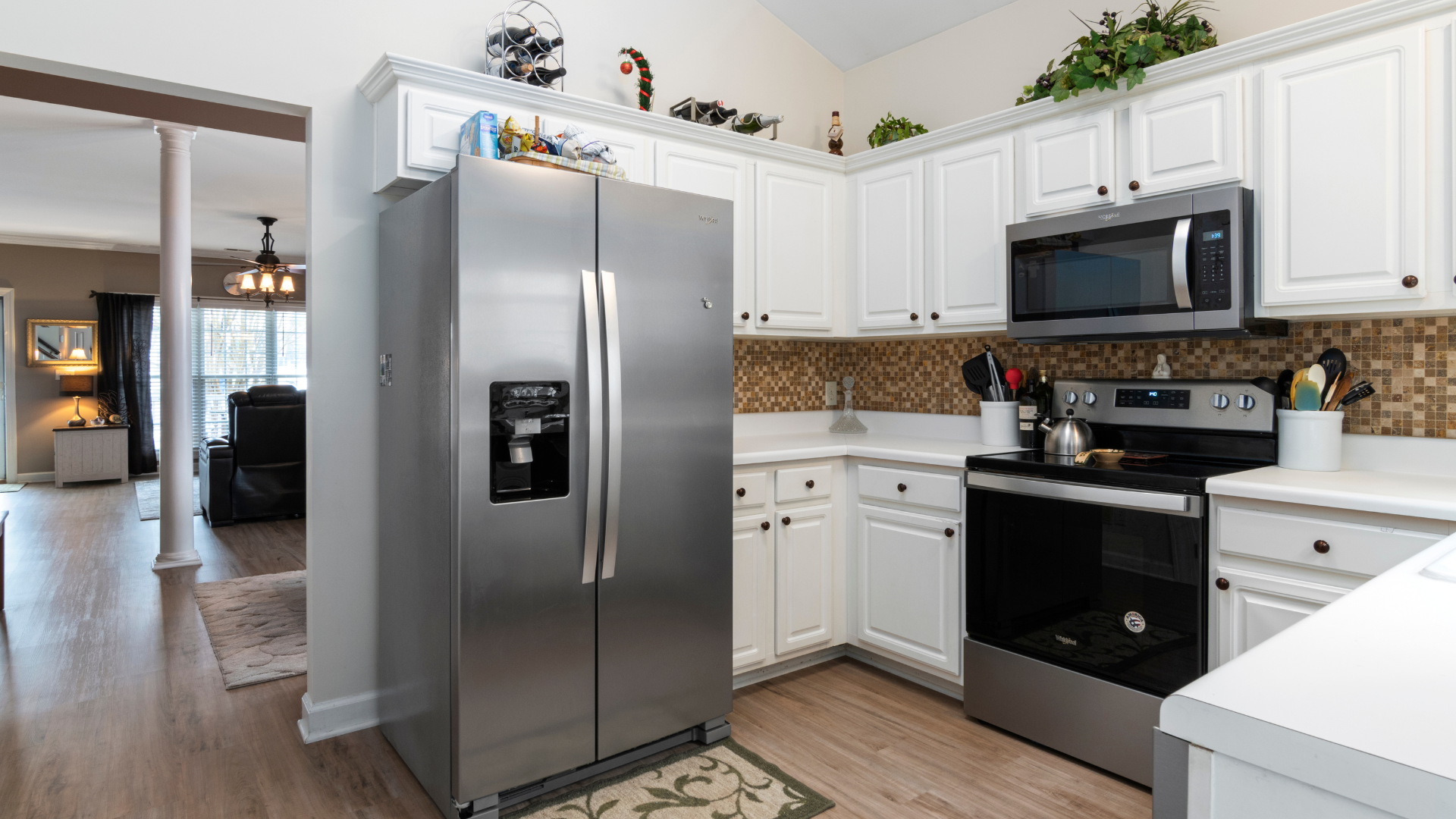


Refrigerator noises are often diagnostic clues. Gentle humming is normal, but loud buzzing, clicking, or screeching can indicate underlying issues. Addressing these noises early can prevent breakdowns and costly repairs.
Understanding What Your Refrigerator Is Telling You
A noisy fridge isn’t just annoying—it may be signaling trouble. While some sounds are part of normal operation, others can indicate mechanical or electrical issues. Learning to identify these noises can help you act early, preserving efficiency and extending the life of your appliance.
This guide explores common refrigerator sounds, what they mean, and when it’s time to call a professional. From buzzing and humming to clicking, gurgling, or screeching, knowing the difference keeps your fridge running smoothly.
Buzzing and Humming: When Normal Becomes Noticeable
All refrigerators produce a low hum while operating. However, persistent or loud buzzing may indicate issues with the compressor motor, condenser coils, or other internal components. Regular maintenance can prevent these minor concerns from turning into costly repairs. If buzzing continues despite normal operation, it’s a good idea to consult a professional.
Clicking or Ticking: Normal Switches or Something Wrong?
Clicking and ticking sounds are often caused by defrost timers or relay switches activating. Occasional clicks are normal, but frequent or loud clicking may suggest a failing start relay or compressor. If accompanied by overheating or irregular cycling, it’s time to seek professional evaluation.
- Buzzing and humming can signal compressor or coil issues.
- Clicking may indicate normal operation or relay problems.
- Gurgling often comes from refrigerant movement but can point to leaks.
- Squealing/screeching usually relates to fan motor or ice buildup.
- Loud thuds or knocking might indicate loose components.
- Electrical popping or high-pitched whines require immediate service.
Gurgling or Bubbling: Coolant in Motion
Gurgling or bubbling often comes from refrigerant circulating through the coils, which is normal. Loud or persistent gurgling may indicate air in the system or a refrigerant leak. Addressing these issues quickly prevents efficiency loss and more serious damage. For professional assistance, contact qualified repair services.
Squealing or Screeching: Fan or Motor Issues
High-pitched squeals often indicate problems with evaporator or condenser fans. Ice buildup, worn bearings, or aging motors can create these noises. Regular inspections and timely servicing, as outlined in appliance repair guides, prevent escalation.
Loud Thuds or Knocking: Something Shifting
Loud thuds often result from ice dropping in the ice bin or internal parts shifting. Persistent or unusually loud knocks may point to loose compressor mounts or a damaged cooling system. Early diagnosis by a professional can prevent costly repairs, as noted by repair experts.
Noises That Require Immediate Attention
Electrical popping, prolonged screeching, or high-pitched whines are signs you need urgent repair. Document the noise type and frequency to help technicians diagnose the problem efficiently. Prompt action prevents full system failure and protects your appliance. Trusted repair services, such as FixItGuy, specialize in these urgent cases.